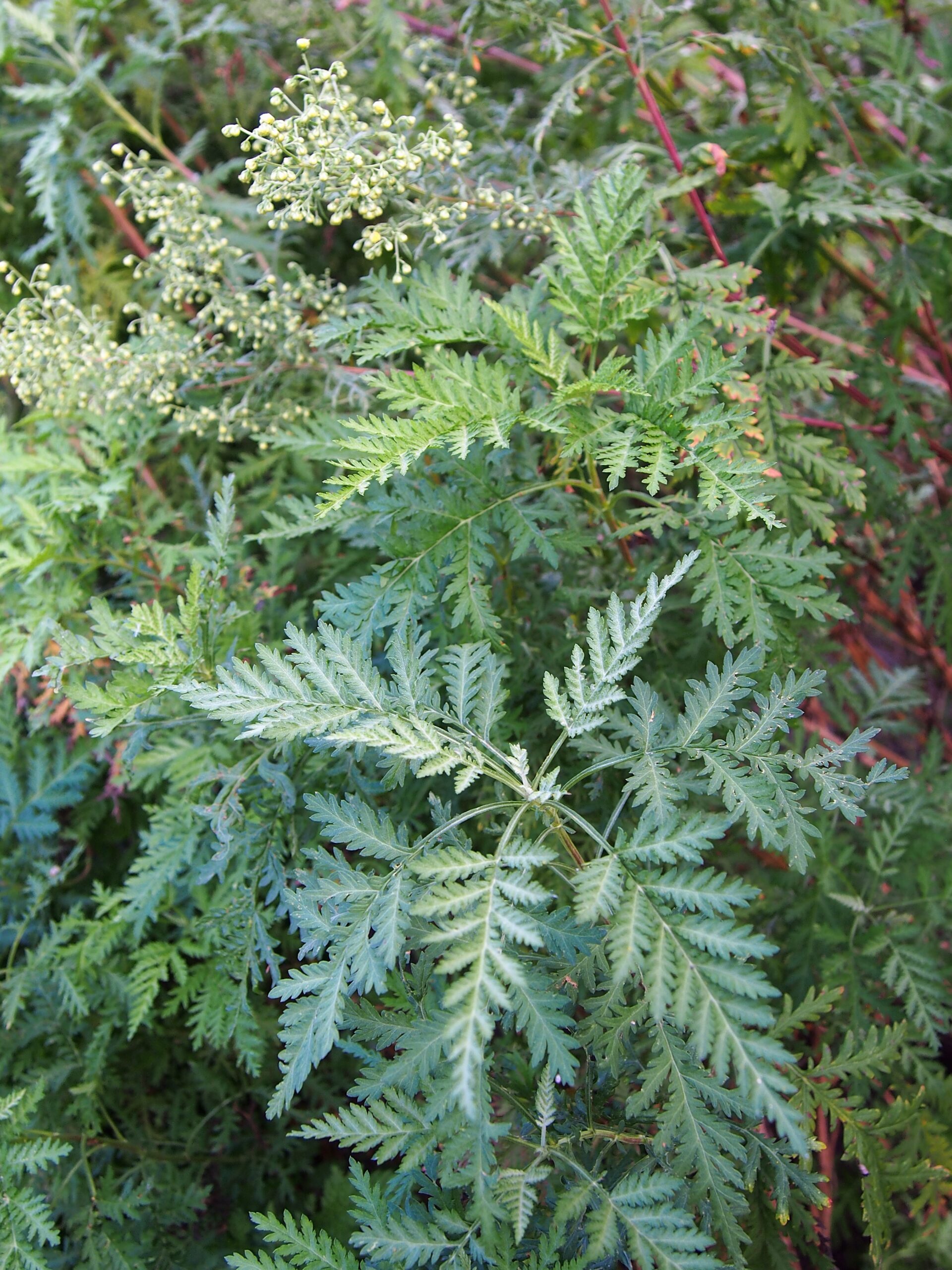
Nature’s pharmacy on the steppe: celebrating World Wildlife Day 2026
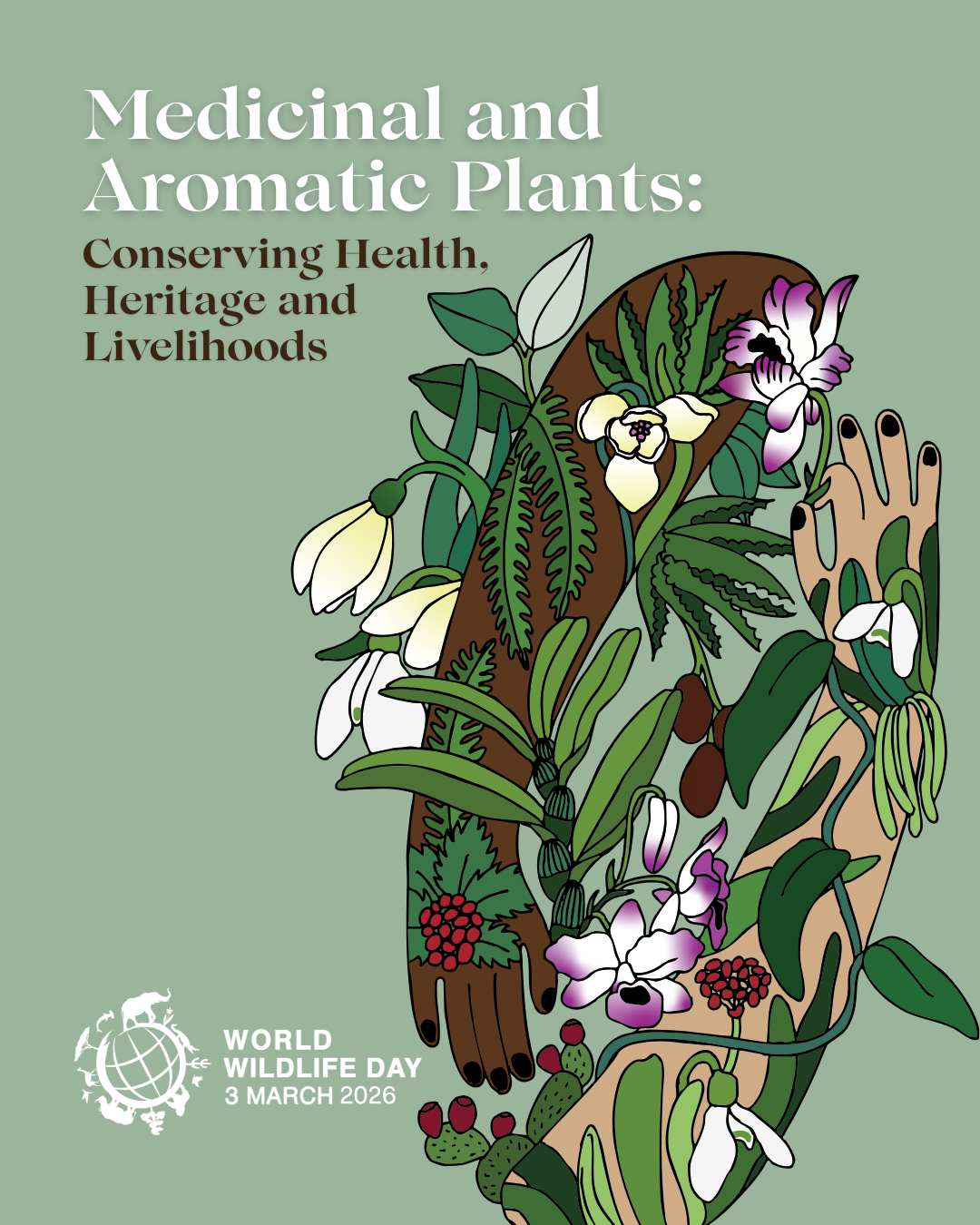
World Wildlife Day, observed each year on March 3, is a United Nations–designated occasion that celebrates the diversity of life on Earth and underscores the importance of protecting it. This year’s theme, “Medicinal and Aromatic Plants: Conserving Health, Heritage and Livelihoods,” highlights the essential roles these plants play in human well-being, cultural traditions, and local economies. The 2026 observance also draws attention to the mounting pressures these species face from habitat loss, unsustainable harvesting, and climate change. Likewise, it encourages collaboration among Indigenous peoples, rural communities, governments, and conservation groups to ensure the long-term survival of medicinal and aromatic plants.
Kazakhstan is home to a rich variety of medicinal and aromatic plants, shaped by its diverse landscapes and Silk Road history. For generations, nomadic communities of the Kazakh steppe have relied on wild plants to stay healthy during long journeys, adapt to harsh climatic conditions, and maintain their general well‑being. Aromatic and medicinal plants—including species of Artemisia—were commonly prepared as simple teas and remedies, while also holding cultural and ceremonial importance.
Today, these same plant communities continue to serve multiple roles within Kazakhstan’s landscapes. Medicinal and aromatic plants help sustain pollinators, feed grazing wildlife, and contribute to the overall health of steppe ecosystems. At the same time, they remain important to local livelihoods and cultural practices, linking environmental health with social and economic well-being.
Unfortunately, these botanical resources are increasingly vulnerable. Overharvesting, land conversion, and shifting climate patterns threaten the survival of certain species, underscoring the need for conservation strategies that not only protect individual species but also safeguard entire ecosystems and cultural traditions.
As World Wildlife Day 2026 underscores, medicinal and aromatic plants matter far beyond their traditional uses. Across Kazakhstan, and around the world, these plants connect biodiversity, cultural heritage, and livelihoods. Protecting them helps sustain the long‑standing relationships between people and nature that have shaped, and continue to shape, the steppe today.