
Stay up to date on events and news
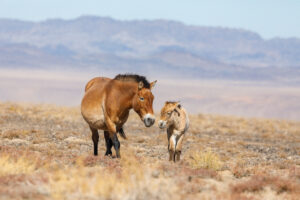
Two Przewalski’s horse foals have been born on Kazakhstan’s steppe, marking a major milestone in the country’s effort to restore the world’s last surviving wild horse to part of its historic range.The births took place at the Alibi Reintroduction Center in Altyn Dala State Nature Reserve, where reintroduced horses are being acclimated before release into…
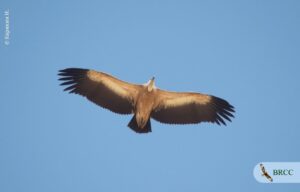
Vultures are misunderstood creatures, often viewed with disgust. Nonetheless, these underappreciated birds perform one of nature’s most important sanitation services, removing carcasses before they decay and helping to prevent the spread of infectious disease. By rapidly stripping carcasses, vultures reduce opportunities for dangerous bacteria and other pathogens to spread, their highly acidic stomach juices destroying…
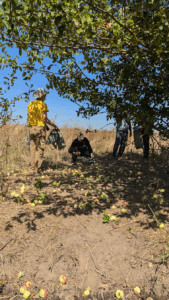
Kazakhstan is widely recognized as the birthplace of the modern apple. Today, the country is drawing on its extraordinary apple heritage to revive the Aport, a once world-famous variety now considered at risk of disappearing. Running from 2024 to 2028, the national Aport Revival Program aims to produce enough healthy planting material to reestablish large-scale…

Siberian Tiger at Zurich Zoo; Wikimedia commons; Photo credit: albinfo; GNU Free Documentation License, https://en.wikipedia.org/wiki/GNU_Free_Documentation_License Global Tiger Day, observed each year on July 29, raises awareness of the world’s remaining wild tigers and the conservation efforts needed to protect them. This year, the observance offers a timely opportunity to revisit Kazakhstan’s Amur tiger reintroduction program,…
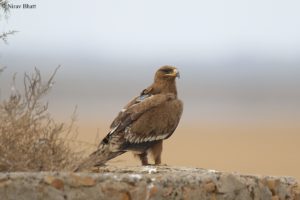
Things are looking up for migratory species, the result of recently concluded UN meetings in Brazil. At the 15th Meeting of the Conference of the Parties (COP15) to the Convention on Migratory Species (CMS), held from 23-29 March 2026, governments approved or upgraded action plans and expanded protection for dozens of migratory species worldwide. Among…
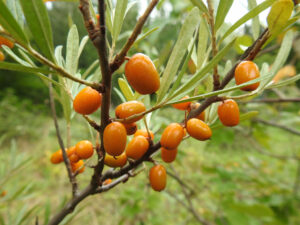
Our recent article marking World Wildlife Day 2026 highlighted the important role of medicinal and aromatic plants in ecosystems and human well-being, touching briefly on Kazakhstan’s rich flora. Here, we take a closer look at three of the country’s medicinal species-common wormwood, licorice, and sea buckthorn-representing just a few of the many plants that play…

In 2025, Kazakhstan accelerated the restoration of tugai forests in the southern Balkhash-Ili delta, thanks to a record-breaking number of plantings. Tugai forests-riparian woodlands that function as vital “oases” along rivers in Central Asia’s arid regions-are central to the country’s tiger reintroduction and rewilding program, which aims to revive Southern Balkhash ecosystems and create thriving…
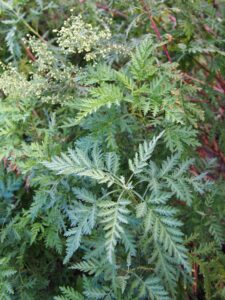
World Wildlife Day, observed each year on March 3, is a United Nations-designated occasion that celebrates the diversity of life on Earth and underscores the importance of protecting it. This year’s theme, “Medicinal and Aromatic Plants: Conserving Health, Heritage and Livelihoods,” highlights the essential roles these plants play in human well-being, cultural traditions, and…
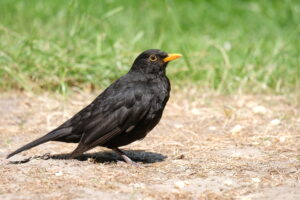
The common blackbird (Turdus merula) was named Kazakhstan’s bird of the year, securing 65 percent of the vote organized by the Association for the Conservation of Biodiversity in Kazakhstan. Its only rival was the mallard duck, which it surpassed by a wide margin. Also known as the Eurasian blackbird or black thrush, this medium-sized…
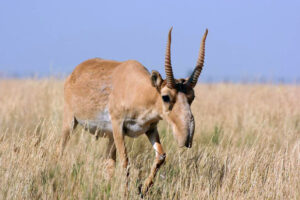
Oh, the remarkable resilience of the saiga antelope (Saiga tatarica)! Over recent decades, this flagship species of the Eurasian steppe endured precipitous declines in populations driven by mass mortality events and human-induced pressures, bringing it to the brink of extinction in Kazakhstan. Yet, through the sustained efforts of governments, scientists, local communities, and international conservation…