Steppe Eagle
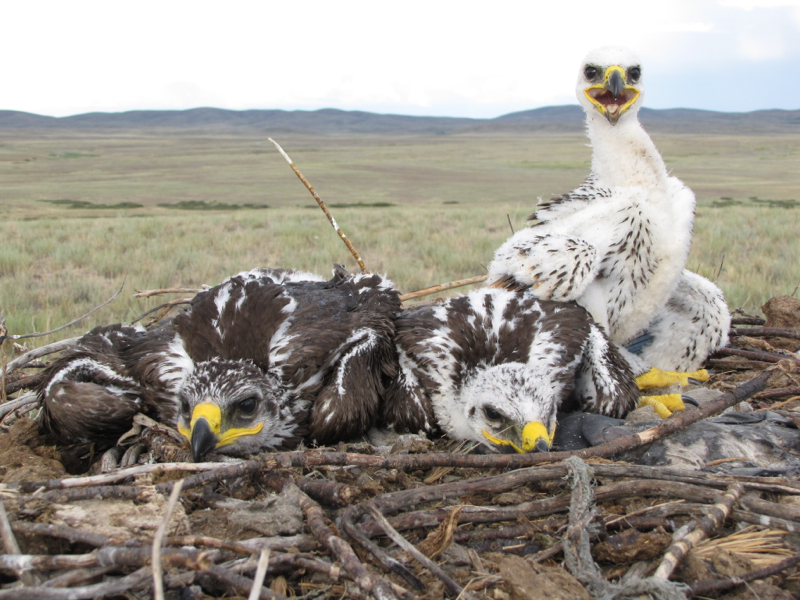
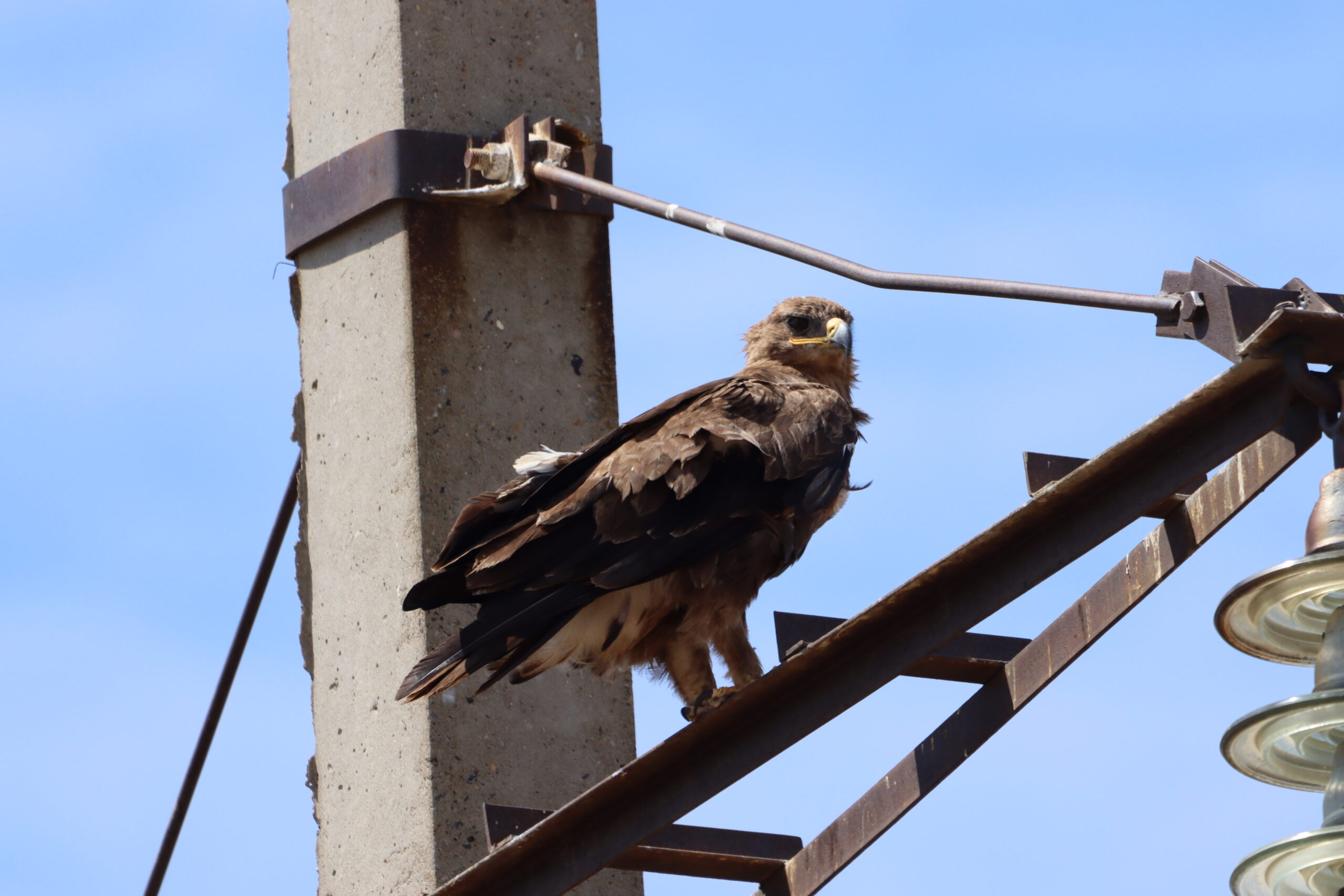
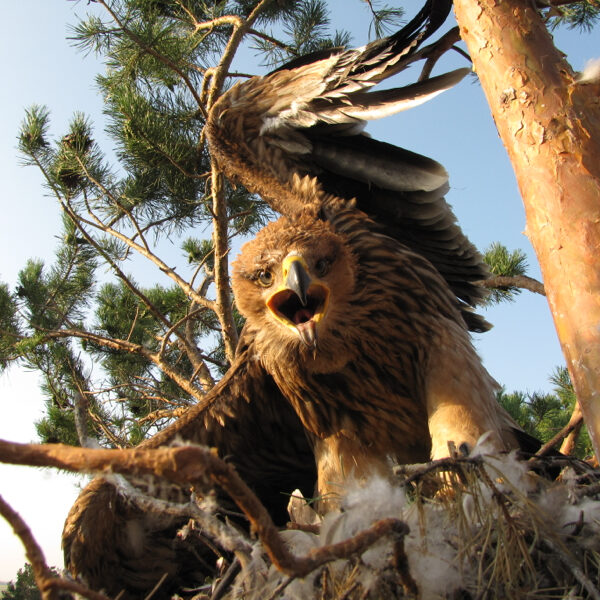
The Steppe Eagle (Aquila nipalensis) is a national icon in Kazakhstan, designated as the national bird and appearing on the country’s flag. The adoption of the Steppe Eagle as a national emblem is unsurprising—up to 85 percent of the bird’s population nests in Kazakhstan. The avian takes its name from the habitat in which it tends to breed, both in upland and lowland areas. In habitats around the world, Steppe Eagles play an important role in nature, helping to control populations of prey animals and to maintain balance in the ecosystems where they occur.
Precipitous declines in populations over the past few decades have landed the Steppe Eagle on the International Union for the Conservation of Nature (IUCN) Red List. In 2015, the species was reclassified as Endangered—a major change from its earlier status as Least Concern—reflecting the severity and speed of its decline. Loss of steppe habitat, collisions with power lines, human persecution, and illegal trade have all contributed to drastically dwindling numbers. In Kazakhstan, the Steppe eagle population has fallen at an alarming rate, representing half of what it was 15-20 years ago.
The Steppe eagle is a fully migratory species, likely moving in greater numbers than any other eagle in the world. Each autumn, these raptors embark on journeys that can span up to 30 countries across Eurasia and Africa. Their migratory route includes Azerbaijan, Armenia, Iran, Afghanistan, Pakistan, India, and Nepal, with wintering destinations in the Middle East and East Africa as well as parts of South Asia. While some eagles winter in neighboring Turkmenistan and Uzbekistan, others travel thousands of kilometers farther south. The birds begin returning to their breeding grounds in Kazakhstan as early as February. Many studies suggest that as Steppe eagles mature, they tend to migrate shorter distances than they did in their first years.