
Nature’s pharmacy on the steppe: medicinal plants of Kazakhstan
Our recent article marking World Wildlife Day 2026 highlighted the important role of medicinal and aromatic plants in ecosystems and human well-being, touching briefly on Kazakhstan’s rich flora. Here, we take a closer look at three of the country’s medicinal species—common wormwood, licorice, and sea buckthorn—representing just a few of the many plants that play a role in the country’s health practices and cultural traditions.
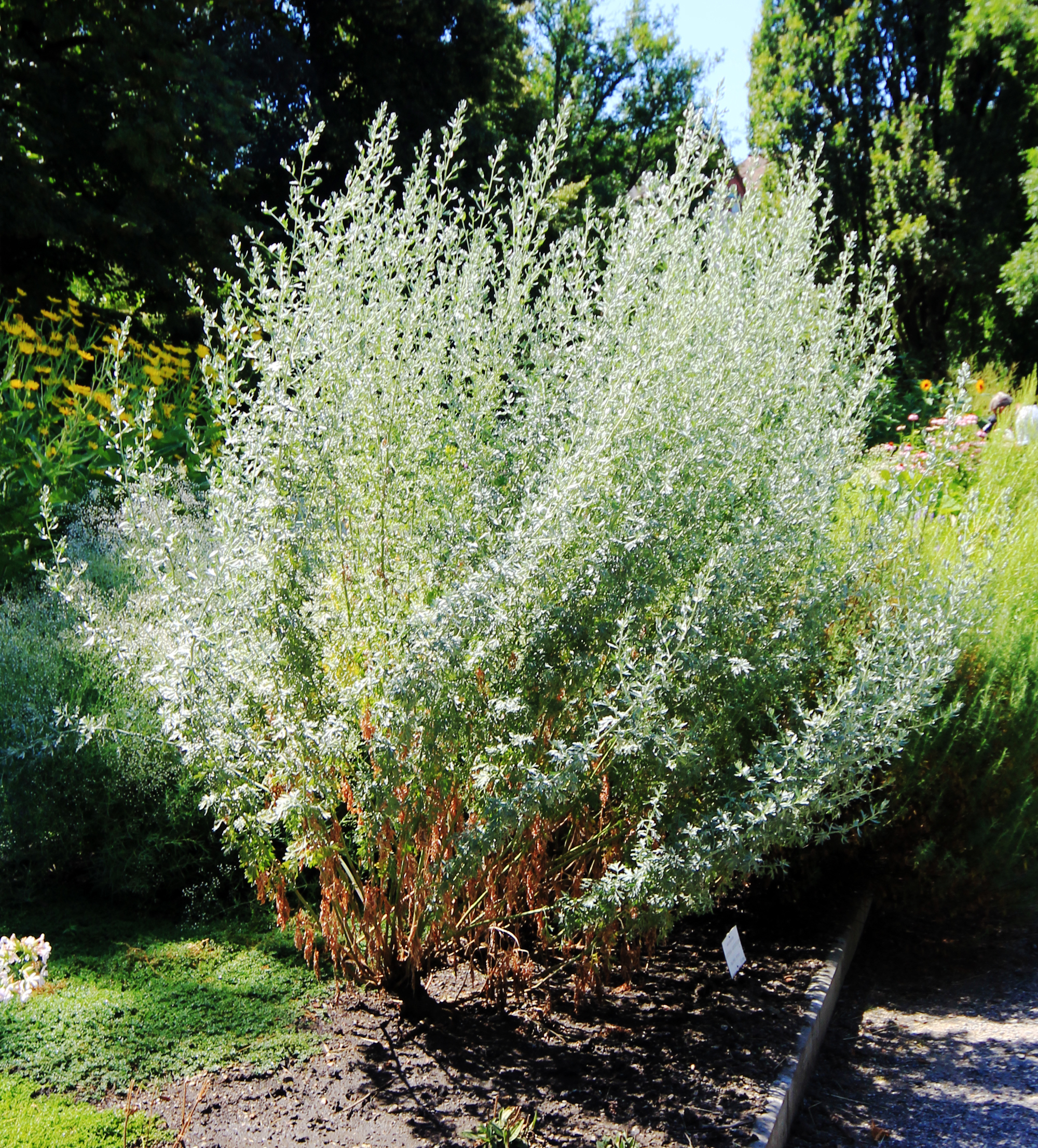
Common wormwood by karelj via Wikimedia Commons
Common wormwood (Artemisia absinthium) is widespread in Kazakhstan, thriving in the country’s vast deserts. Traditionally consumed as tea or extract, wormwood is thought to offer pain-relieving and anti-inflammatory effects, particularly in treating osteoarthritis and Crohn’s disease. While it can be hallucinogenic and toxic in large doses, renewed scientific interest is exploring its broader medical potential. Notably, wormwood’s strong flavor influences the taste of local meat and dairy, reflecting its deep integration into Kazakhstan’s landscape and culture.
Licorice (Glycyrrhiza glabra), which grows in the river valleys of Kazakhstan’s steppe and desert regions, has long been valued for its medicinal properties. Its roots contain natural compounds that make licorice an important ingredient in herbal remedies used to treat respiratory and inflammatory conditions, allergies, skin and eye disorders, and certain infectious and oncological diseases.
However, Kazakhstan’s wild licorice populations face serious challenges. Decades of intensive harvesting, driven by international and domestic demand, have depleted licorice resources, particularly in areas where harvesting remains unregulated outside protected lands. For many rural villagers, licorice harvesting represents one of the few reliable sources of income. Because licorice plants take four to eight years to recover after harvesting, these pressures make it difficult for wild populations to bounce back.
Other threats to wild licorice conservation include desertification, changes in river flows caused by the construction of dams and other structures, and conversion of licorice habitat for agricultural crops.
In response, organizations and authorities in Kazakhstan are actively collaborating to identify approaches to sustainable use and restoration of wild licorice populations. Proposed measures include developing sustainable harvesting practices, implementing stronger regulatory oversight, and promoting best-practice frameworks that balance ecological restoration with the economic needs of local communities.
Sea buckthorn (Hippophae rhamnoides), a hardy, tree-like plant native to Europe and Asia, is among Kazakhstan’s most distinctive medicinal plants, valued for its exceptionally high concentration of nutrients and bioactive compounds. For centuries, sea buckthorn has played an important role in folk medicine and cultural traditions across Central Asia, where its bright orange berries are used in teas and other beverages, syrups, and jams. The plant’s tart, juicy berries include high levels of vitamins A, C, and E, along with B vitamins, minerals, amino acids, and plant antioxidants. Sea buckthorn is particularly notable for its vitamin C content, which far exceeds that of many common fruits. In Siberia and Kazakhstan, both the berries and dried leaves have long been used in traditional medicine to fight colds, aid digestion, promote skin repair, and enhance overall well-being.
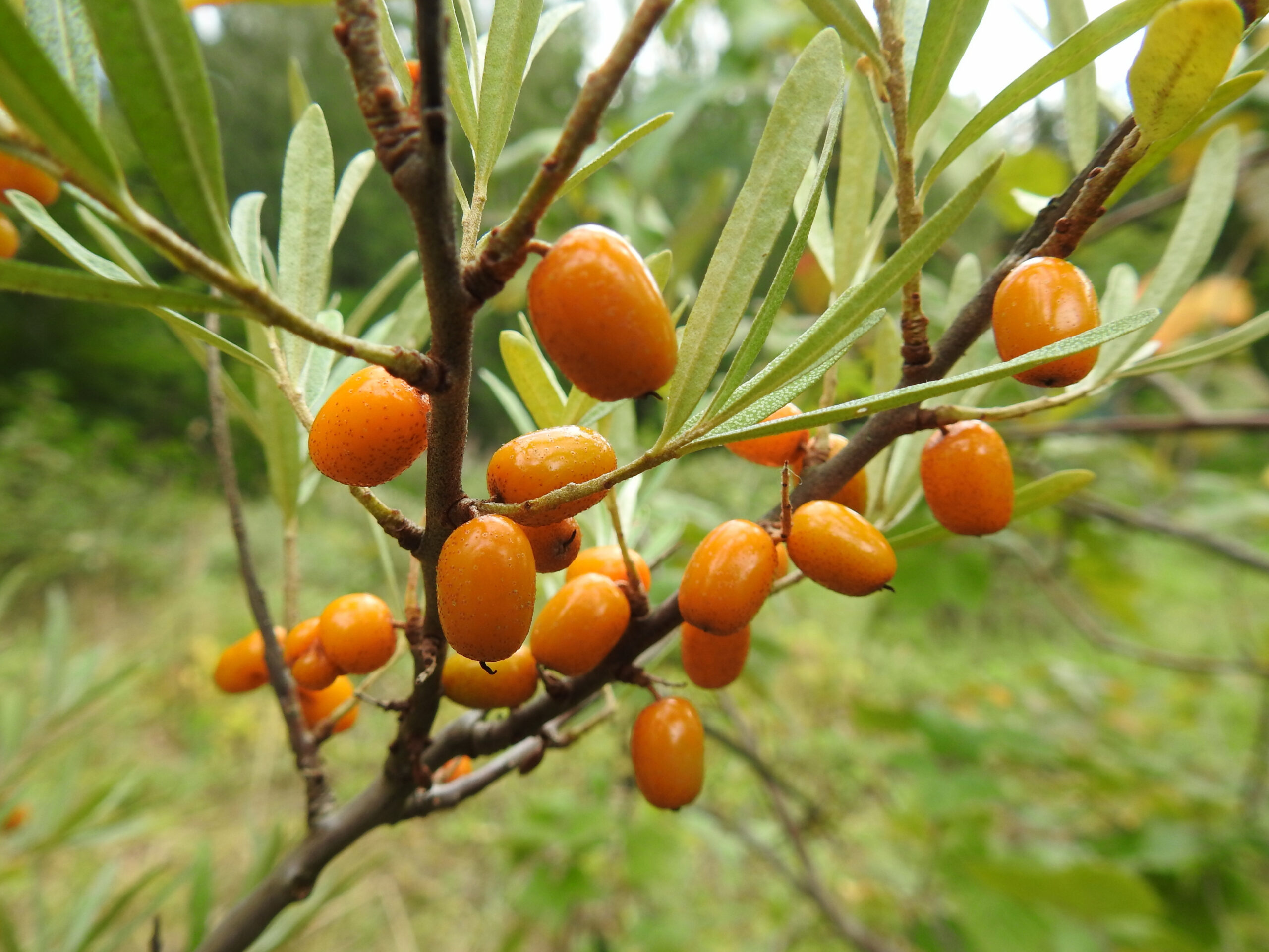
Hippophae rhamnoides