
Conservation
Flight Path: How one U.S. graduate student found her way to the Shakpak Ornithological Station
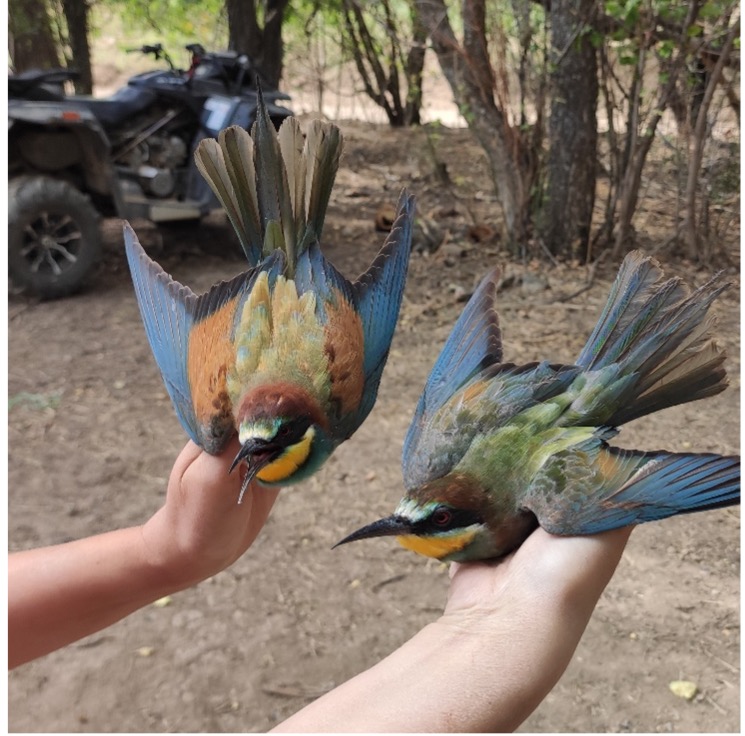
Nicole Ibrahim, a PhD student at the University of Maryland Center for Environmental Science Appalachian Laboratory, spent the fall 2024 migration season working at Shakpak Ornithological Station in southern Kazakhstan. Supported by a fellowship, Nicole’s time at the station was part of a two-stage internship—first assisting with bird banding and field research at Shakpak, then…
Read MoreRare Persian leopard returns to Kazakhstan’s Ustyurt Plateau
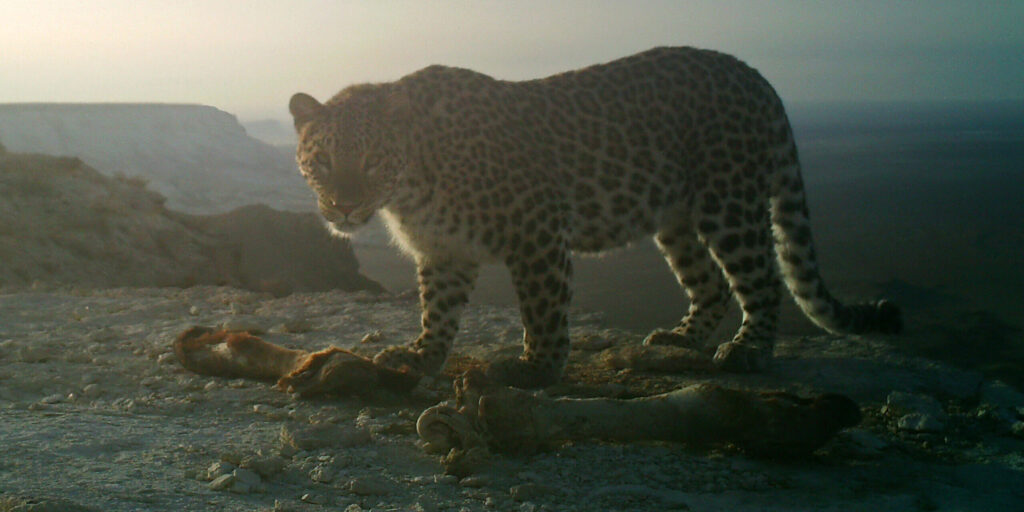
After decades of absence, the Persian leopard (Panthera pardus tulliana) is reestablishing its presence on the Ustyurt Plateau, located in the Mangystau region in southwestern Kazakhstan. Over the past 16 months, one specific cat has been captured on camera traps deployed in the plateau’s protected areas, most recently in footage taken in Kyzylsai Regional Nature…
Read MoreDo you know where tulips originated?
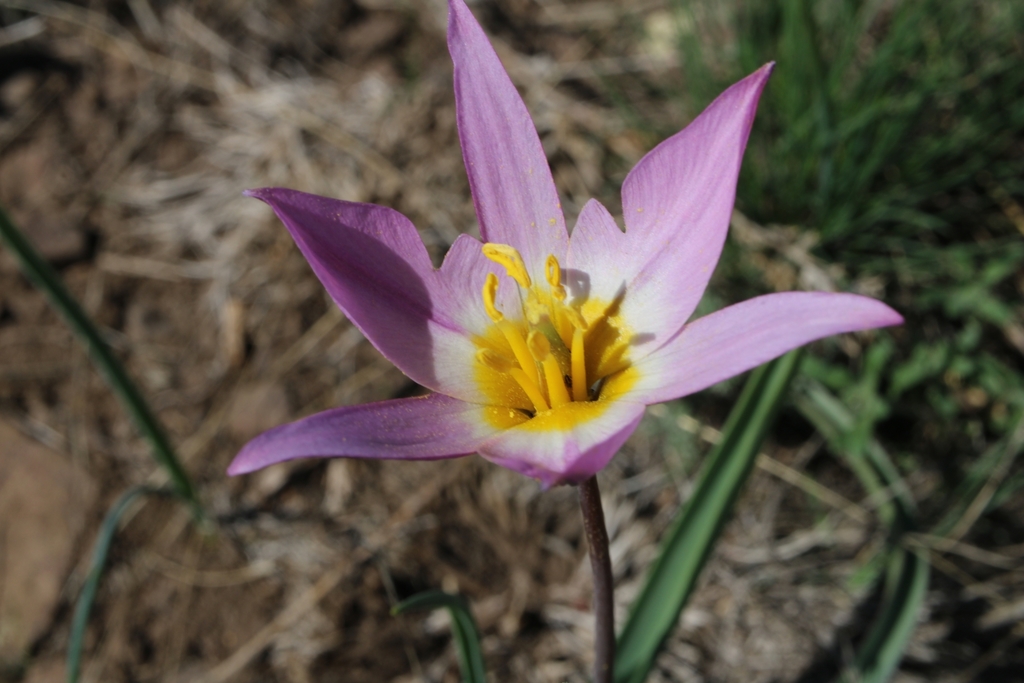
Tulipa patens_Ulytausky raion Kazakhstan Tulips are practically synonymous with the Netherlands, known for its vast fields, varieties, and celebrations of these vibrant flowers. However, there’s another country that can lay claim to occupying a prominent place in tulip history and cultivation—Kazakhstan. While it’s a little-known fact, the story of the tulip began in Central…
Read MoreKulan, welcome to the neighborhood!
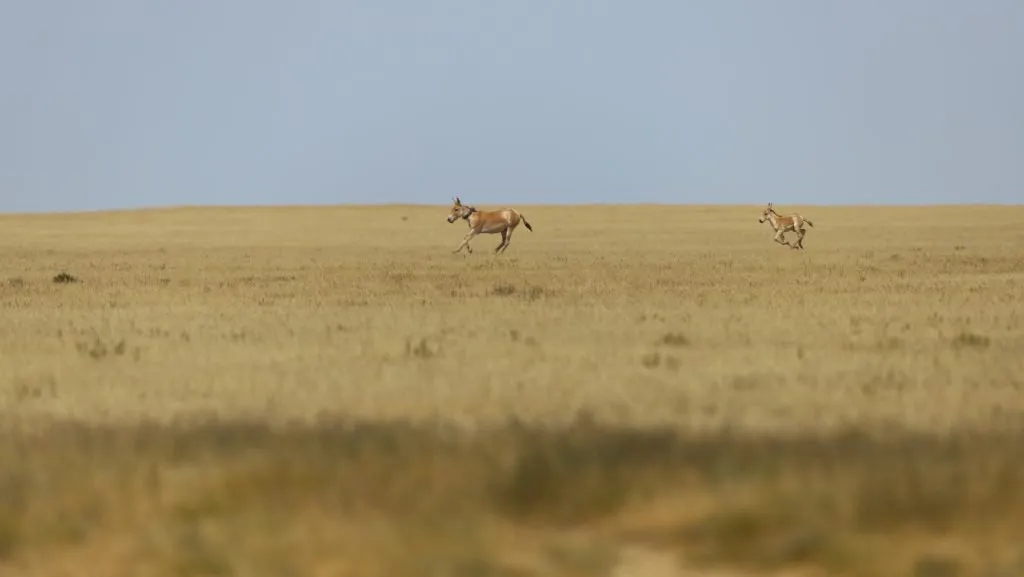
The seven Przewalski’s horses that took up residence at the Altyn Dala State Nature Reserve in June are no longer the newcomers, thanks to the recent arrival of Asiatic wild asses, or kulan. Wild asses are also sometimes called onagers (so many names!). In early October, 24 kulan were relocated from the eastern part of…
Read MoreCan the Caspian tiger be resurrected?
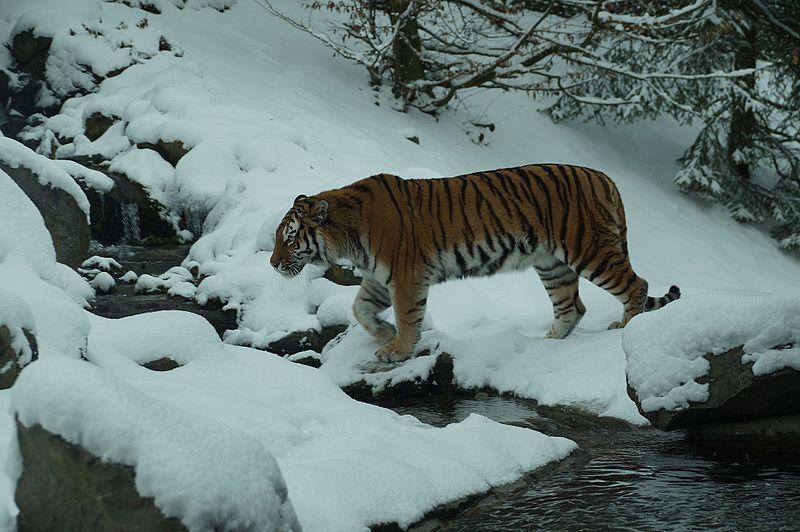
Two Amur tigers were recently transferred from a zoo in the Netherlands to a nature reserve in southern Kazakhstan, a historic step in a long-term effort to revive Kazakhstan’s extinct Caspian (Turanian) tiger population. Captive tigers aside, this pair is the first of these big cats to set paws on Kazakh soil in 76 years.…
Read MoreField work snapshot: improvements made to manul camera trap network
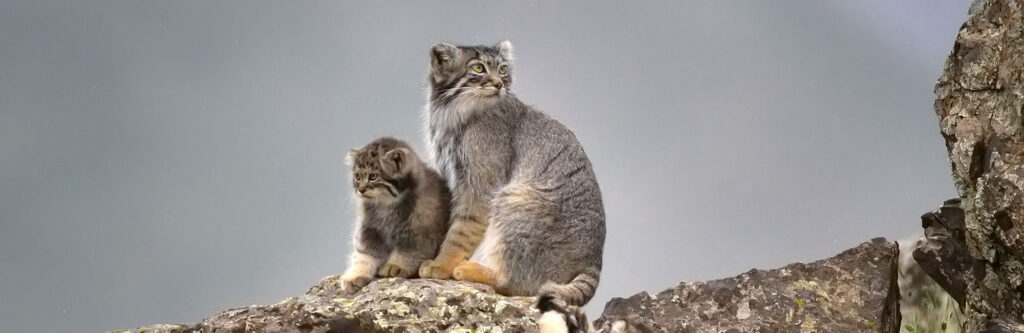
A team of researchers from the Manul Working Group and Association for the Conservation of Biodiversity in Kazakhstan (ACBK) recently completed the upgrade and maintenance of the manul (Pallas’s cat) camera trap monitoring network in central Kazakhstan, actions that will improve accuracy of population counts, expand understanding of the cat’s behavior, and shed additional insights…
Read MoreKazakh Tazy gains preliminary recognition as official dog breed
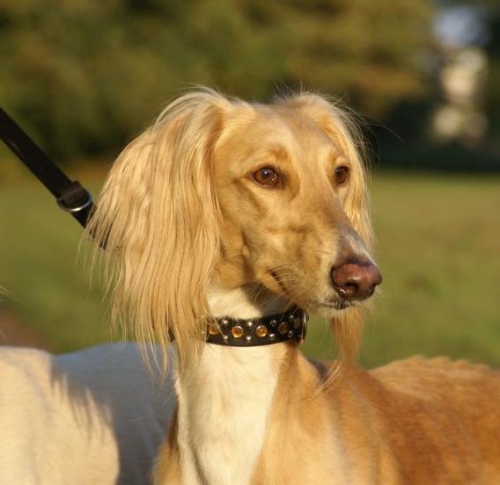
The Kazakh tazy, one of the world’s oldest dog breeds, has achieved preliminary recognition as an official, independent breed by the International Canine Federation (FCI, Fédération Cynologique Internationale), a critical milestone in efforts to gain full international recognition as a distinct dog breed. The decision represents a victory for Kazakh cynology (regional term for zoology-based…
Read MoreSummer 2024 fieldwork – horses, birds, and bats, oh my!
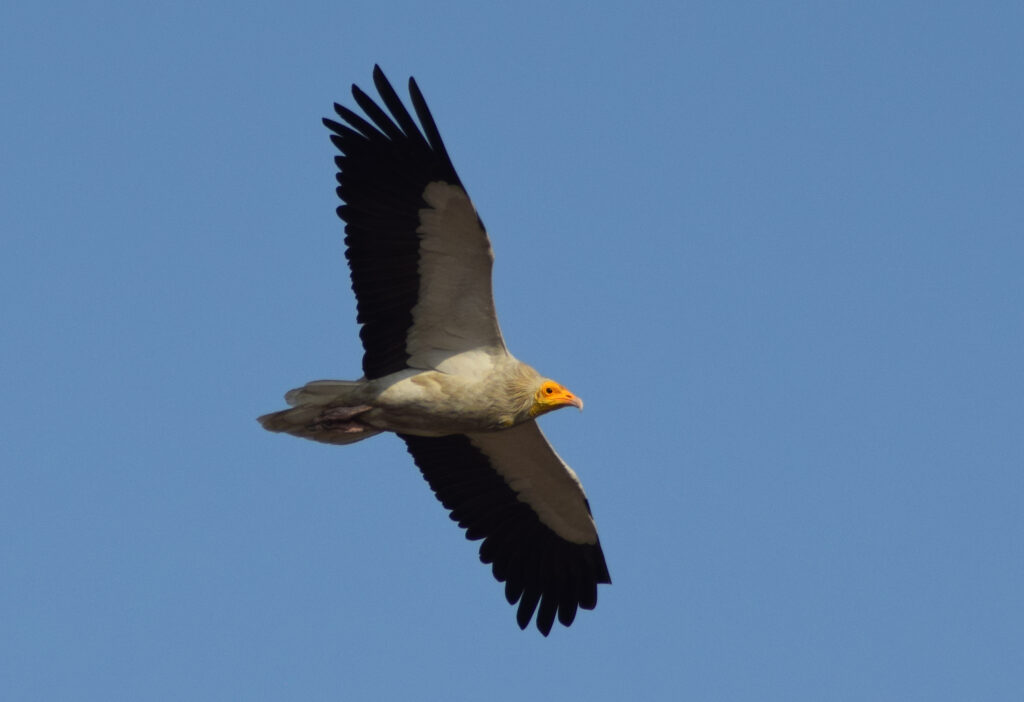
We are nearing the half-year mark since we started this new chapter. During that time, we have established and strengthened relationships with partners in Kazakhstan, promoted wildlife-focused initiatives, and told stories about the region’s wildlife. Here are a few highlights: Przewalski’s horses: Homecoming In June we reported on the return of Przewalski’s horses to their…
Read MorePrzewalski’s horses return to Kazakhstan’s Golden Steppe
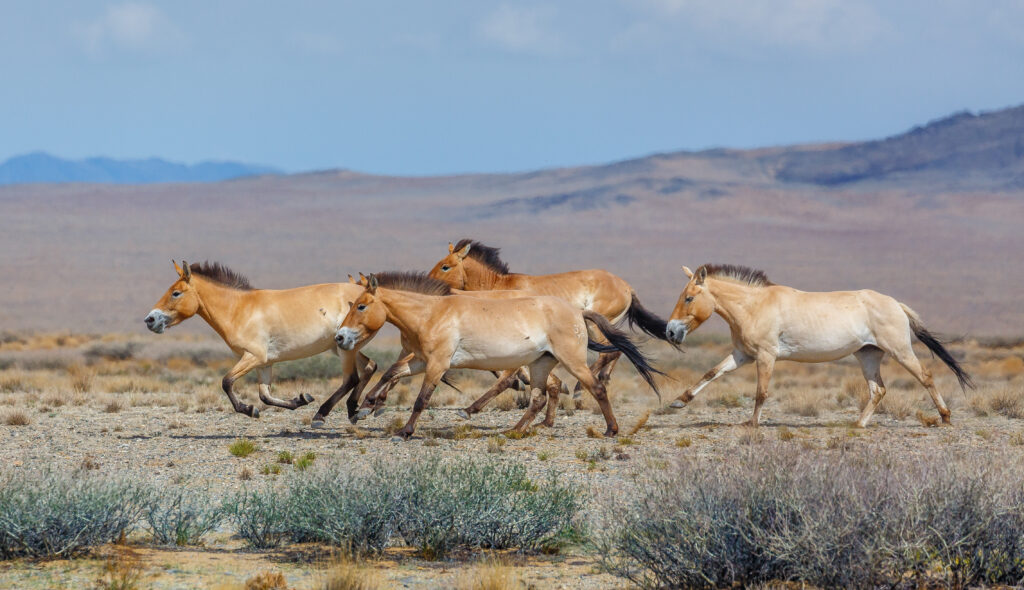
The first week in June saw a wildlife and biodiversity conservation milestone, as seven Przewalski’s horses arrived in Kazakhstan, the first phase of the “Return of the Wild Horses 2024” project. Reintroducing the horses to one of their natural habitats, following a centuries-old absence, is part of ongoing efforts to establish a self-sustaining population in…
Read MoreEvery species counts on Endangered Species Day!
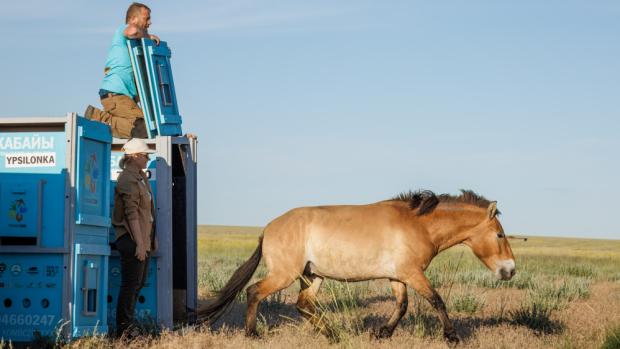
Earth is home to countless species and landscapes. Unfortunately, human activities destroying habitats and overheating the planet have pushed many species into decline, breaking fragile and complex relationships within entire ecosystems. Thousands of animal species are also in steep decline in Eurasia, from the Saker falcon to the Pallas’s cat. This growing damage to ecosystems…
Read More