2026 will mark another milestone for tiger restoration in Kazakhstan

In the first half of 2026, Kazakhstan’s Amur tiger reintroduction program will reach another pivotal milestone with the planned arrival of a small group of tigers from Russia. Between January and June, three to four Amur tigers are expected to be translocated, marking the next major step in restoring this iconic predator to Central Asia.
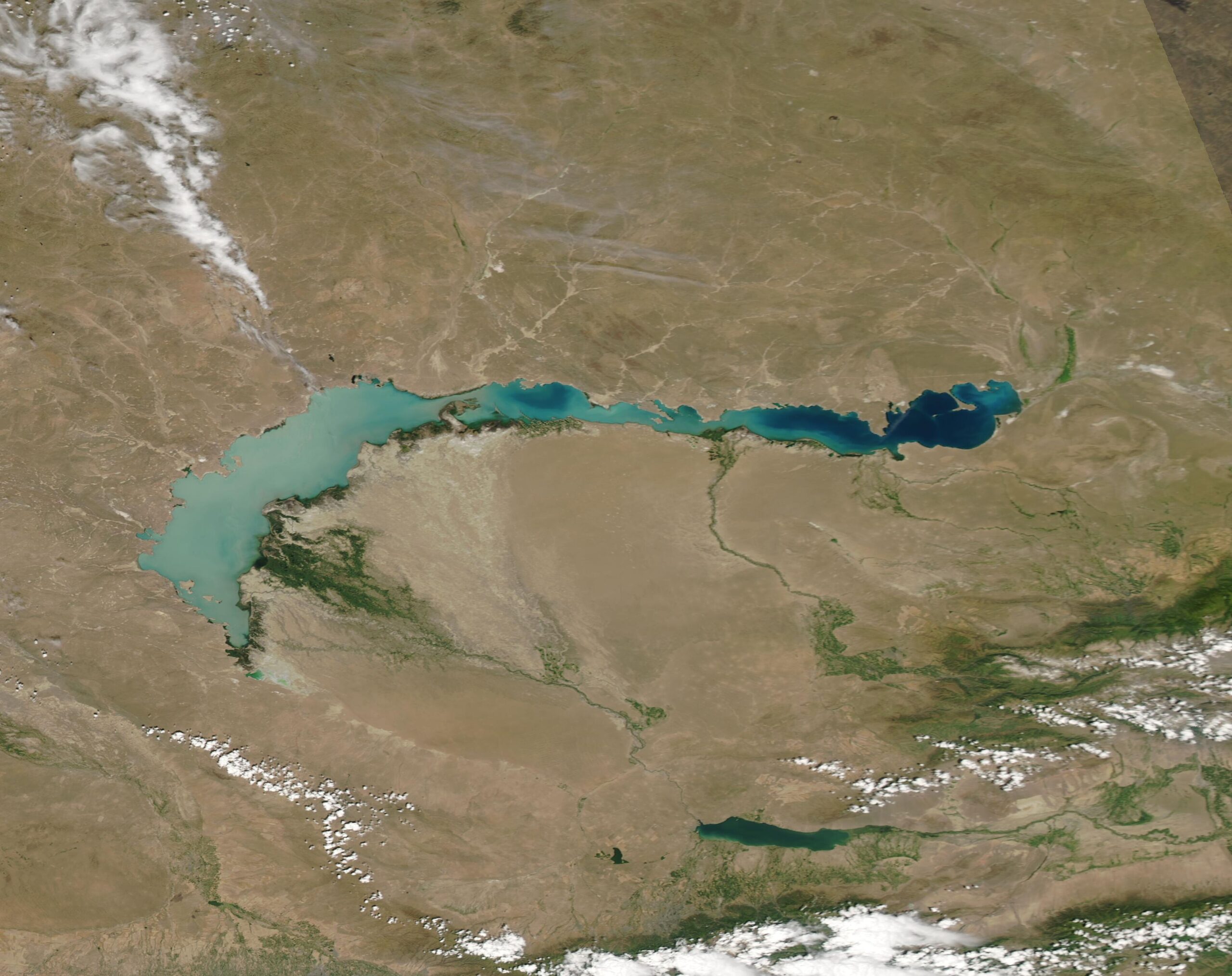
This upcoming transfer will occur approximately 18 to 24 months after the successful September 2024 relocation of two adult Amur tigers from a sanctuary in the Netherlands to the Ili-Balkhash Nature Reserve. The pair—13-year-old female Bodhana and 10-year-old male Kuma—currently reside in a specially designed enclosure complex under close monitoring by specialists.
Both translocations form part of a long-term, multi-national conservation initiative aimed at rebuilding a self-sustaining population of Amur tigers within their historic Central Asian range. The program brings together the efforts of Kazakhstan’s Ministry of Ecology and Natural Resources, Russian government agencies, the World Wildlife Fund, and the United Nations Development Programme, among others.
At the recent annual meeting of the Tiger Advisory Group in Hunchun, China, delegates also reviewed parallel efforts in Cambodia, Laos, and Vietnam to revive regional tiger populations. Across much of Southeast Asia, snaring, habitat loss, and illegal wildlife trade, among other threats, have driven the species to near extinction.
Restoring tigers to protected landscapes is not only a symbolic achievement but also an ecological imperative. As apex predators, tigers keep herbivore populations in check, preventing overgrazing and allowing forests and grasslands to regenerate. Protecting the habitats that tigers depend on also safeguards essential ecosystem services, ensuring benefits for biodiversity and for human communities alike.