Kazakhstan’s tiger comeback: a Global Tiger Day update
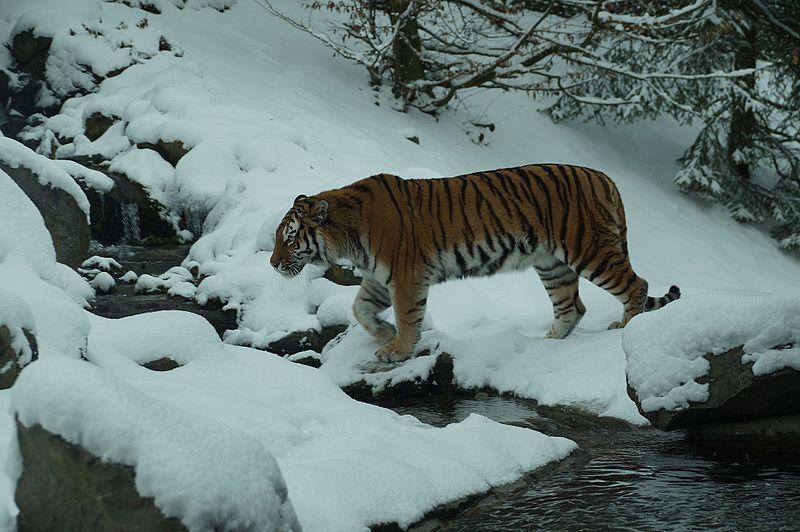
Global Tiger Day, observed each year on July 29, raises awareness of the world’s remaining wild tigers and the conservation efforts needed to protect them. This year, the observance offers a timely opportunity to revisit Kazakhstan’s Amur tiger reintroduction program, which reached an important new milestone in late May with the arrival of four tigers from Russia. The transfer marked an early step in implementing a November 2025 joint roadmap between Kazakhstan and Russia to bring Amur tigers to Kazakhstan and support their adaptation to a restored habitat in the southern Balkhash region.
The four tigers—an adult male, an adult female, and two cubs—were transported to the Ile-Balkhash State Nature Reserve, the principal site for implementing Kazakhstan’s long-term tiger reintroduction program. After quarantine and adaptation under specialist supervision, they are expected to be fitted with satellite GPS collars so conservationists can monitor their movements, condition, and adjustment to the landscape.
The recent arrivals build on the September 2024 relocation of two adult Amur tigers, Bodhana and Kuma, from the Netherlands to Ile-Balkhash, marking the end of almost 70 years without tigers in the region. Bodhana and Kuma are not intended for release into the wild. Instead, they will remain in a specially designed enclosure at the reserve, where specialists continue to monitor their health and adaptation. A central goal of the program is for the pair to produce healthy offspring that could eventually be prepared for release.
Kazakhstan’s tiger reintroduction program seeks to restore the ecological role once filled by the Caspian tiger, which historically ranged across Central Asia, northern Iran, the Caucasus, and surrounding regions. A combination of factors, including habitat loss, depletion of prey, and direct persecution contributed to the Caspian tiger’s disappearance from the region. The last tiger in the Balkhash region was seen in 1948, and the Caspian tiger was eventually declared extinct.
Amur tigers were selected for the reintroduction because they are considered the closest living relatives of the extinct Caspian tiger. Kazakhstan’s tiger reintroduction effort took shape gradually over more than a decade, beginning with early commitments linked to the World Bank’s Global Tiger Initiative and later advancing through formal cooperation, reserve creation, habitat restoration, and prey recovery.
Ile-Balkhash: Restoring Habitat for Tigers and Prey
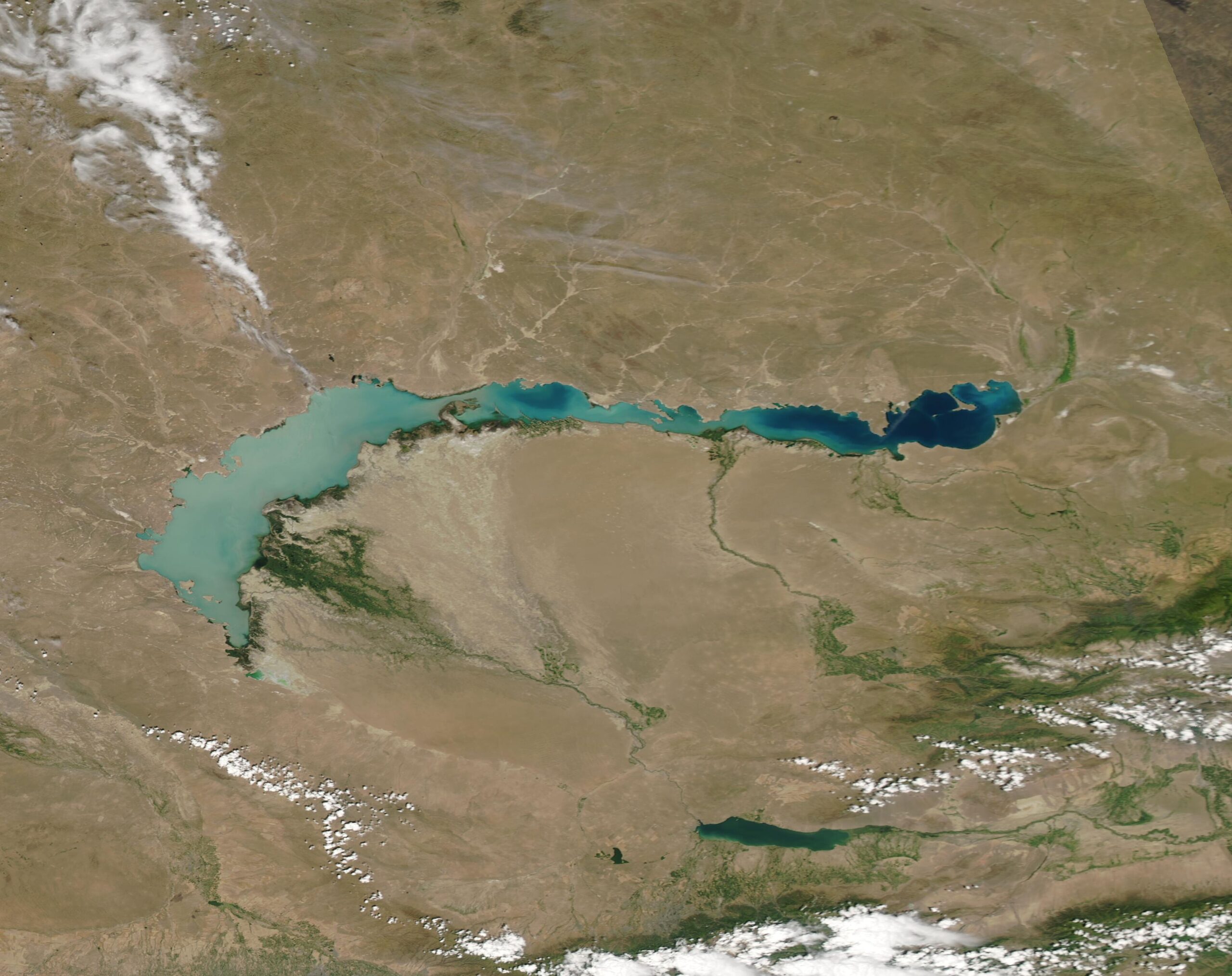
The southern Balkhash region was selected for the reintroduction program because it lies within the tiger’s historical range and contains the Ili River delta, wetlands, tugai forests, reed beds, and surrounding landscapes needed to support prey species. The Ile-Balkhash Nature Reserve was established in 2018 to anchor the initiative.
Since then, conservation work has focused on restoring tugai forests, strengthening protection across the reserve, increasing ungulate populations, conducting scientific monitoring, and implementing broader conservation measures. These efforts are essential because a successful tiger reintroduction depends not only on bringing tigers back, but also on rebuilding the ecosystem that can sustain them.
One of the most significant milestones this year was the expansion of the reserve’s territory, further strengthening the foundation for long-term tiger recovery. On June 27, Ile-Balkhash also marked the eighth anniversary of its establishment. Over this time, the reserve has become one of Kazakhstan’s most important biodiversity conservation areas and the central site for one of Central Asia’s most ambitious wildlife restoration programs.
On Global Tiger Day, Kazakhstan’s tiger reintroduction program offers a conservation story still in the making: one focused not only on protecting remaining tigers, but on restoring them to a landscape they disappeared from more than seven decades ago. With four additional Amur tigers arriving in May and Ile-Balkhash continuing to grow as a center for habitat restoration, Kazakhstan has taken additional steps toward bringing tigers back.
Challenges remain, of course. One critical question is water—in a region where water is a very limited resource, and upstream countries divert water for their own use—will enough water continue over the long term to reach the Ile-Balkhash basin and sustain flora and fauna there? The actual relocation, captive breeding, and release processes are extremely complex and depend, among other things, on political will, ongoing and sufficient financial resources, community support, and stable international partnerships.