
Veterinary painkillers pose threat to central Asian vultures
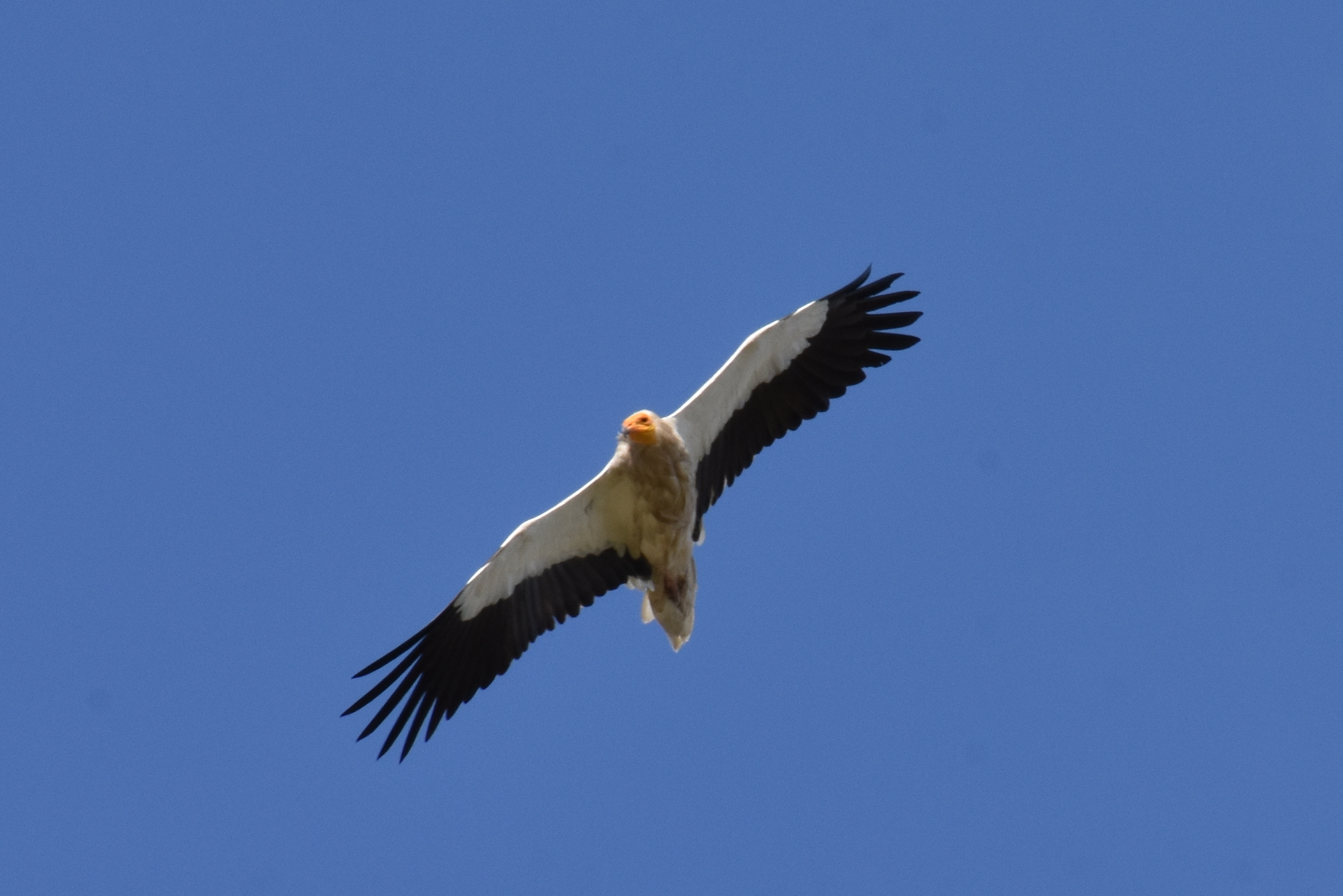
Vultures are misunderstood creatures, often viewed with disgust. Nonetheless, these underappreciated birds perform one of nature’s most important sanitation services, removing carcasses before they decay and helping to prevent the spread of infectious disease.
By rapidly stripping carcasses, vultures reduce opportunities for dangerous bacteria and other pathogens to spread, their highly acidic stomach juices destroying most pathogens. They also limit food sources for feral dogs, rats, and other scavengers that can thrive around animal remains. In doing so, vultures help keep landscapes cleaner and healthier for wildlife, livestock, and people alike.
Over the past several decades, vulture survival has been threatened by a class of veterinary medicines called non-steroidal anti-inflammatory drugs, or NSAIDs. These drugs are widely used to ease pain, reduce inflammation, and lower fever in livestock. Although some NSAIDs have been found to be safe for vultures, others are highly toxic to scavenging raptors when the birds feed on the carcass of an animal treated shortly before death.
Diclofenac shows how severe this threat can become when veterinary drugs enter the scavenger food chain. Before regulatory changes took effect, widespread diclofenac use in livestock caused millions of vulture deaths and drove the catastrophic South Asian vulture crash that began in the 1990s, including a reported 99.9% decline in the White-rumped Vulture (Gyps bengalensis). In India, the loss of vultures also increased risks to human health: with fewer birds to clear carcasses, feral dog populations rose, contributing to more human rabies cases and the deaths of about half a million people over five years.
Safer alternatives, including meloxicam and tolfenamic acid, are available; however, the toxicity of many other NSAIDs remains unknown.
In spring 2026, the World Organization for Animal Health, the Convention on Migratory Species, and other partners released a fact sheet, The Vulture Emergency: NSAID Risks to Health and Biodiversity, warning that NSAID exposure is not only a conservation crisis for vultures but also a broader health and biodiversity issue. The fact sheet highlights the need for regulation and responsible NSAID use to reduce the risk of wildlife poisonings. While several Asian countries have banned the manufacture, sale, and use of veterinary diclofenac, the drug remains authorized across much of Africa, West Asia, and many countries in the Western Hemisphere.
What this means for Kazakhstan’s vultures
Central Asia lies within the range of several vultures and other scavenging raptor species. Kazakhstan’s laws generally support species of strong conservation interest, including the Eurasian griffon vulture (Gyps fulvus), Egyptian vulture (Neophron percnopterus), cinereous vulture (Aegypius monachus), bearded vulture (Gypaetus barbatus), and Himalayan griffon (Gyps himalayensis), but actual protections are vague. These birds use open steppe, desert, semi-desert, and mountain landscapes where livestock herding and wildlife scavenging can overlap.
Kazakhstan’s vultures already face multiple pressures, including electrocution and collisions with power infrastructure, poisoning, illegal killing, human disturbance, and exposure to toxins. All five vulture species are now listed in Kazakhstan’s Red Book; the Eurasian griffon vulture and cinereous vulture were added in the most recent revision.
Targeted in-country research on veterinary NSAIDs, along with stronger legal protection for at-risk species, is needed to help reduce vulture declines in Kazakhstan. The impact of veterinary NSAIDs on vultures and other scavengers in the country has not yet been studied, even though diclofenac, ketoprofen, and flunixin are used as veterinary drugs there. These three drugs have been shown to harm vultures in other countries and are prohibited in several Asian countries, but in Kazakhstan they continue to be used without restriction. Better research, monitoring, and regulation of vulture-toxic veterinary drugs could help strengthen protection for these species.
Reducing NSAID risk
The Vulture Emergency guidance calls for practical risk-reduction measures: avoiding veterinary use of NSAIDs known to be toxic to vultures in areas where susceptible scavenging birds occur; promoting proven safer alternatives; and ensuring that livestock dying within three to four days of treatment with a bird-hazardous NSAID are safely disposed of rather than left available to scavengers.
The guidance also emphasizes shared responsibility among veterinary authorities, wildlife agencies, public health bodies, veterinarians, pharmaceutical suppliers, livestock owners, and carcass management systems. It calls for better safety testing, stronger oversight of veterinary medicines, education for veterinarians and farmers, and systems for reporting and investigating deaths of vultures and other scavenging raptors.
Vultures may not be glamorous, but they are among the most useful birds on Earth. Preventing population collapses is far easier than reversing them, and recovery can take decades. Keeping toxic NSAIDs out of the food chain is a practical, achievable step toward protecting vultures and the healthy ecosystems they help sustain.
