
Restoring the iconic Aport apple in the birthplace of apples
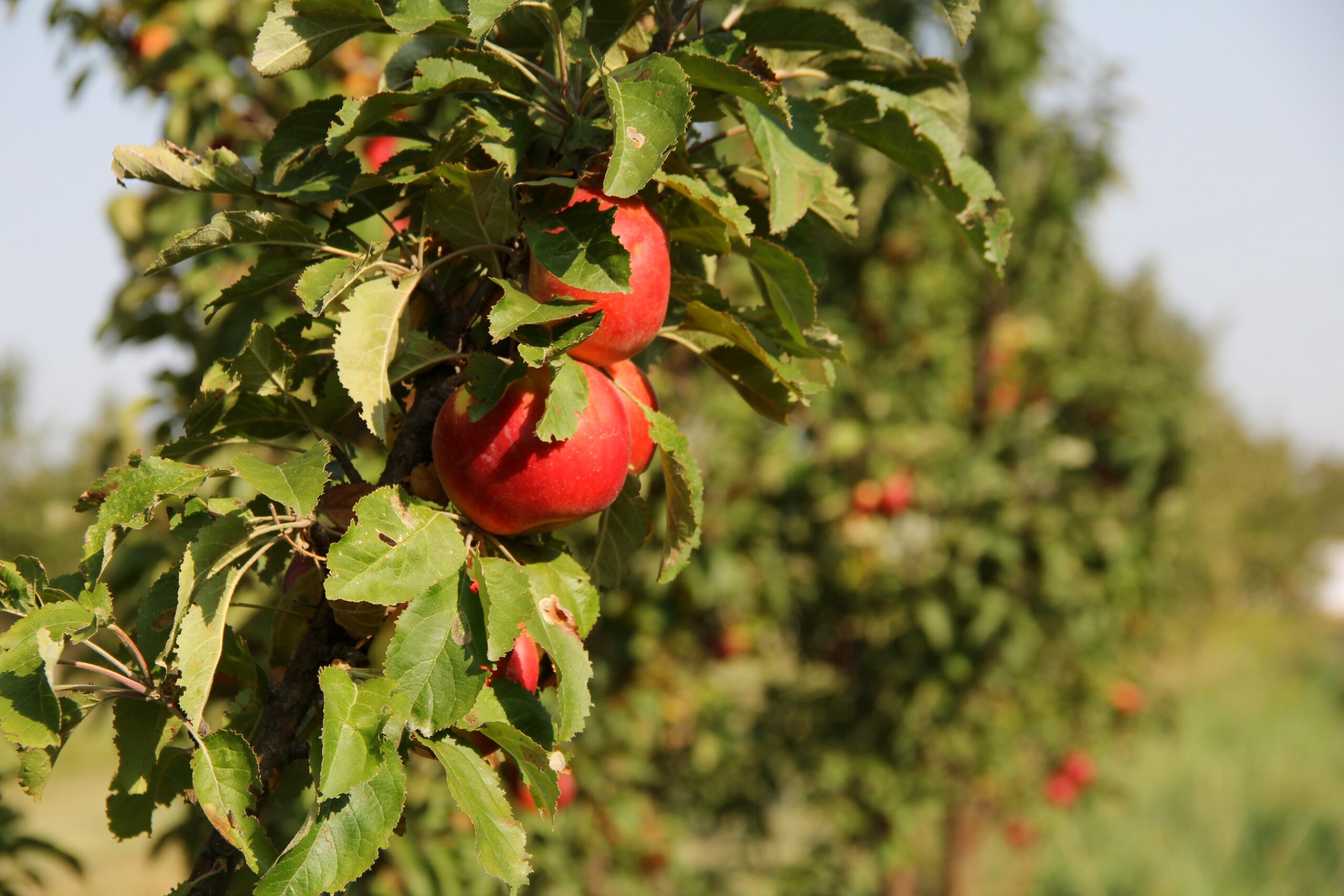
Kazakhstan is widely recognized as the birthplace of the modern apple. Today, the country is drawing on its extraordinary apple heritage to revive the Aport, a once world-famous variety now considered at risk of disappearing. Running from 2024 to 2028, the national Aport Revival Program aims to produce enough healthy planting material to reestablish large-scale commercial cultivation.
The Aport’s appeal lies in its impressive size, fragrant aroma, juiciness, and distinctive balance of sweetness and acidity. Closely associated with the mountains around Almaty, this celebrated apple has become both a source of national pride and an important part of Kazakhstan’s effort to build a globally recognized agricultural brand.
The rise and decline of the Aport
Although the Aport’s ultimate origins are uncertain, the variety that became famous as the Almaty Aport emerged in southeastern Kazakhstan during the second half of the 19th century.
Historical records show that in 1865, a peasant named Yegor Redko brought Aport seedlings from Russia’s Voronezh Province to the town of Verny, now Almaty. Within a decade, the variety was flourishing in the distinctive climate of the Zailiyskiy Alatau, where it developed the size, aroma, and flavor that would make it famous. The qualities that made Aport special also made it difficult to produce on the scale demanded by modern commercial agriculture. But there were challenges
Urbanization. The Aport apple began to decline in the late 20th century, as rapid urbanization and commercial development consumed former orchard lands. As Almaty expanded, particularly after the breakup of the Soviet Union, Aport orchards in desirable foothill areas were cleared for residential and commercial construction. After farms were privatized, many new owners replanted with varieties that sell well on world markets, like Gala and Red Delicious.
Growing requirements. Unlike most commercial apple varieties, Aport requires highly specific growing conditions, making it less appealing for mass production. The trees thrive only at elevations between 850 and 1,250 meters above sea level, limiting cultivation to select foothill areas of Almaty and the surrounding region. The variety is also slow to mature, typically producing fruit after eight to nine years, compared with four to six years for many modern commercial apple varieties.
Disease and propagation problems. Researchers have also identified viral infection, uncontrolled reproduction and deterioration in planting stock as factors that weakened the variety over time and complicated efforts to maintain healthy, true-to-type orchards.
Bringing the Aport back
Kazakhstan is now trying to reverse that decline through a formal four-year revival program aimed at restoring large-scale commercial cultivation and strengthening the variety’s export potential. Launched in 2024, the program calls for producing approximately 25,000 seedlings and planting 110 hectares of new Aport orchards through 2028.
During the first stage in 2024, researchers collected seeds from wild Malus sieversii, widely recognized as an ancestor of many modern cultivated apples, and began developing national cultivation standards for Kazakhstan’s Aport variety. This year, the initiative entered a new phase, with scientists expanding orchards and establishing specialized nurseries for eventual distribution to commercial growers.
The large-scale revival is underpinned by research conducted by Kazakh scientists dating back to 2006. That work included analyzing and collecting Malus sieversii and Aport genetic material, treating plant stock to eliminate viral diseases, and establishing an experimental orchard. In 2015, seedlings of the improved Aport were planted on a five-hectare site, and by 2023, the orchard was yielding fruit weighing 300 to 500 grams. In 2024, it produced six tons of blood-red Aport apples.
The Aport Revival Program is led by the Kazakh Ministry of Agriculture in partnership with the country’s research institutions, linking government support with the scientific expertise needed to rebuild healthy planting stock and return the variety to commercial orchards.
FUN FACT
An Apple for the Cosmonauts. The Aport apple even has a place in Kazakhstan’s space tradition. After cosmonauts return to Earth on the Kazakh steppe, they may be welcomed with an Almaty Aport apple—a custom credited to Kazakh cosmonaut Talgat Musabayev after his first spaceflight. The gesture is both symbolic and practical: it celebrates landing back on Kazakh soil, while the simple act of holding, smelling, biting, and chewing the apple can help observers check a returning astronaut’s fine motor skills, coordination, sense of smell and taste, and early readjustment to Earth’s gravity.